
Engaging Families in Integrated Care: A Holistic Approach
The integration of medical and mental health services is reshaping the healthcare landscape, offering a comprehensive approach to treating the whole person. A critical yet sometimes overlooked component of this […]
The integration of medical and mental health services is reshaping the healthcare landscape, offering a comprehensive approach to treating the whole person. A critical yet sometimes overlooked component of this approach is the role of families in supporting patient care. Families can influence treatment adherence, recovery, and overall well-being, making their engagement a cornerstone of integrated care. This article delves into the importance of family involvement, its benefits, and actionable strategies for healthcare clinicians to strengthen family engagement in their practice.
The Importance of Family Engagement in Integrated Care
1. Understanding Family Dynamics and Their Impact on Health
Families are more than emotional support systems—they shape patients’ daily lives and health behaviors. From managing medications to influencing dietary and exercise habits, family members are often at the forefront of care.
- Positive Dynamics: Supportive families can act as a buffer against stress and improve mental health outcomes.
- Negative Dynamics: Dysfunctional family environments can exacerbate conditions like depression or anxiety.
Engaging families allows clinicians to assess these dynamics and design care plans that consider both patient needs and family contexts.
2. Enhancing Treatment Adherence and Outcomes
Family involvement improves treatment adherence by:
- Monitoring Care: Families can ensure patients follow through with medication regimens and attend appointments.
- Offering Encouragement: Emotional support boosts patients’ motivation to stick with care plans.
- Aligning Goals: Including families in decision-making creates treatment plans that align with the patient’s values, improving commitment and outcomes.
3. Addressing Social Determinants of Health
Families often provide critical insight into social determinants of health (SDOH), such as:
- Socioeconomic challenges.
- Housing and transportation issues.
- Access to nutritious food and safe environments.
By engaging families, clinicians can identify these barriers and collaborate on solutions, such as connecting patients to community resources or advocating for systemic changes.
Strategies for Engaging Families in Integrated Care
1. Foster Open Communication and Trust
Building trust with families is essential for effective collaboration. To foster open communication:
- Be Transparent: Clearly explain diagnoses, treatment options, and progress.
- Use Simple Language: Avoid jargon and ensure families understand key information.
- Validate Concerns: Show empathy and acknowledge the family’s role in care.
Encourage two-way communication where family members feel comfortable sharing their concerns and asking questions.
2. Conduct Family-Centered Assessments
Family-centered assessments explore not only the patient’s needs but also the family’s capacity to support care.
- Use Tools: Create genograms and ecomaps to visualize family dynamics and identify strengths and challenges.
- Assess Roles: Understand the roles different family members play, such as caregiving responsibilities or decision-making influence.
- Identify Resources: Gauge the family’s access to resources like transportation, financial stability, and social support networks.
3. Engage Families in Shared Decision-Making
Shared decision-making involves patients, families, and clinicians collaboratively deciding on treatment options. This approach:
- Empowers Families: Recognizes their role in the care process.
- Respects Preferences: Ensures treatment aligns with the patient’s and family’s values.
- Builds Consensus: Creates a unified approach to care, reducing conflicts and misunderstandings.
4. Provide Education and Training
Educating families about medical and mental health conditions equips them to better support their loved ones. Provide:
- Condition-Specific Information: Explain symptoms, treatments, and potential outcomes.
- Practical Training: Teach skills like medication management or coping strategies.
- Access to Resources: Share educational materials, support group information, and community services.
5. Involve Families in Treatment Planning and Care Delivery
Integrate families into ongoing care by:
- Including Them in Appointments: Invite family members to attend key medical or therapy sessions.
- Creating Actionable Plans: Develop care plans that specify how families can provide support.
- Monitoring Progress Together: Use regular check-ins to update families on progress and refine care plans.
6. Address Family Well-Being
The well-being of family members directly impacts their ability to support patients. Offer:
- Emotional Support: Provide referrals to counseling or family therapy if needed.
- Respite Resources: Connect caregivers with respite care services to prevent burnout.
- Peer Support Groups: Facilitate connections with other families facing similar challenges.
Actionable Steps for Clinicians
Step 1: Assess Family Involvement
Evaluate the role families currently play in patient care and identify opportunities for deeper engagement.
Step 2: Build Rapport
Create a welcoming environment where families feel valued and respected as partners in care.
Step 3: Tailor Interventions
Design care plans that account for family strengths, challenges, and dynamics.
Step 4: Leverage Technology
Use tools like telehealth or patient portals to keep families informed and involved.
Step 5: Monitor and Adapt
Regularly review family involvement and adjust strategies as needed to optimize outcomes.
Conclusion
Family engagement is a powerful tool in integrated care, enhancing treatment adherence, addressing social determinants of health, and fostering better patient outcomes. By prioritizing open communication, shared decision-making, and family-centered approaches, clinicians can create a collaborative care environment that benefits patients, families, and providers alike. With thoughtful strategies and a commitment to holistic care, families can become essential allies in the journey toward improved health and well-being.
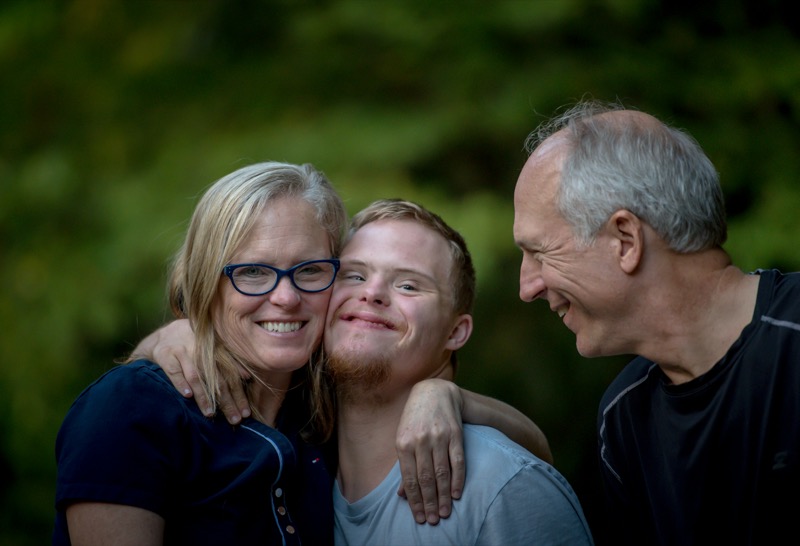
Photo by Nathan Anderson on Unsplash
Written by AI & Reviewed by Clinical Psychologist: Yoendry Torres, Psy.D.
Disclaimer: Please note that some blog posts may contain affiliate links, and Sana Network will earn a commission if you purchase through those links at no additional cost to you. We use all of the products listed and recommend them because they are companies or products that I have found helpful and trustworthy. Our website is supported by our users. The content provided on this website is for informational purposes only and is not intended as medical advice. Please consult your own healthcare provider for advice tailored to your individual health needs.