
Exercise for Longevity: Staying Active as You Age
Aging is an inevitable part of life, but how we age is largely influenced by the choices we make. One of the most impactful ways to maintain health, independence, and […]
Aging is an inevitable part of life, but how we age is largely influenced by the choices we make. One of the most impactful ways to maintain health, independence, and vitality as we grow older is through regular physical activity. Exercise not only extends lifespan but also enhances the quality of those years, enabling us to remain vibrant and capable.
This guide explores the numerous benefits of exercise for longevity, outlines the best types of exercise for older adults, and provides practical tips for staying motivated and safe. Whether you’re a seasoned fitness enthusiast or new to physical activity, it’s never too late to start reaping the rewards of staying active.
The Importance of Exercise for Longevity
Benefits of Exercise for Aging Adults
1. Physical Health Benefits
- Cardiovascular Health: Regular physical activity strengthens the heart, reduces blood pressure, improves circulation, and lowers the risk of heart disease.
- Muscle and Bone Strength: Strength training combats the natural loss of muscle mass and bone density that occurs with aging, reducing the risk of fractures and osteoporosis.
- Weight Management: Exercise helps maintain a healthy weight, decreasing the likelihood of obesity and related conditions such as diabetes.
2. Mental Health Benefits
- Cognitive Enhancement: Regular exercise promotes brain health by improving memory, attention, and processing speed while reducing the risk of dementia and Alzheimer’s disease.
- Emotional Well-Being: Physical activity triggers the release of endorphins, natural mood elevators that help alleviate stress, anxiety, and depression.
- Improved Sleep: Exercise enhances sleep quality, helping you fall asleep faster and stay asleep longer.
3. Functional Independence
- Balance and Coordination: Exercises targeting balance and stability reduce the risk of falls—a major concern for older adults.
- Mobility and Flexibility: Stretching routines keep joints flexible and reduce stiffness, making daily movements easier.
- Increased Energy: Staying active boosts overall stamina, making it easier to perform everyday tasks without fatigue.
4. Social and Emotional Connections
- Community Engagement: Group classes or team activities foster connections, providing emotional support and combating loneliness.
- Self-Esteem: Achieving fitness goals improves confidence and a proactive attitude toward aging.
Types of Exercise for Older Adults
A well-rounded fitness routine includes aerobic activities, strength training, flexibility exercises, and balance work. Here’s a breakdown:
1. Aerobic Exercises
Aerobic or cardiovascular activities are essential for heart health and endurance.
- Walking: Accessible and gentle on the body, brisk walking improves cardiovascular fitness.
- Swimming: Low-impact and joint-friendly, swimming builds endurance and strengthens muscles.
- Cycling: Whether on a stationary bike or outdoors, cycling is excellent for cardiovascular health.
Recommendation: Aim for 150 minutes of moderate aerobic activity per week, spread across several days.
2. Strength Training
Strength training preserves muscle mass and supports bone health.
- Bodyweight Exercises: Simple moves like squats, lunges, and push-ups are effective.
- Resistance Bands: Lightweight and versatile, bands can target different muscle groups.
- Weights: Use free weights, dumbbells, or household items like water bottles.
Recommendation: Engage in strength training at least twice a week, targeting major muscle groups.
3. Balance and Flexibility Exercises
Maintaining balance and flexibility helps prevent falls and supports functional movement.
- Yoga: Improves flexibility, strength, and mindfulness.
- Tai Chi: Combines slow, controlled movements with deep breathing for balance and stress reduction.
- Simple Balance Drills: Practice standing on one foot or walking heel-to-toe for balance improvement.
Recommendation: Incorporate balance and flexibility exercises at least 2-3 times per week.
Overcoming Barriers to Exercise
Starting or maintaining an exercise routine can be challenging, especially as we age. Here’s how to overcome common obstacles:
- Lack of Time: Break sessions into shorter, manageable workouts, like three 10-minute walks daily.
- Physical Limitations: Modify exercises to suit your abilities and focus on low-impact activities.
- Motivation: Set realistic goals, track progress, and celebrate achievements.
- Fear of Injury: Consult a doctor or physical therapist to design a safe, personalized fitness plan.
Tips for Staying Motivated and Safe
- Start Small: Begin with activities you enjoy and gradually increase intensity and duration.
- Set Goals: Establish achievable short-term and long-term fitness goals to stay focused.
- Find a Workout Buddy: Exercising with a friend or joining a class can make activities more enjoyable and hold you accountable.
- Warm Up and Cool Down: Properly warming up prevents injuries, and cooling down aids recovery.
- Listen to Your Body: Pay attention to discomfort or pain and adjust activities as needed.
Key Takeaways
- Commit to Movement: Regular physical activity supports a longer, healthier, and more fulfilling life.
- Diversify Activities: Incorporate cardio, strength, balance, and flexibility exercises for a well-rounded routine.
- Overcome Challenges: Tackle barriers with practical solutions like goal-setting and modified exercises.
- Stay Consistent: Small, regular efforts yield significant long-term benefits.
Aging doesn’t mean slowing down; it’s an opportunity to embrace a more active lifestyle and enjoy the vibrant years ahead. Start today and let exercise become a cornerstone of your longevity journey.
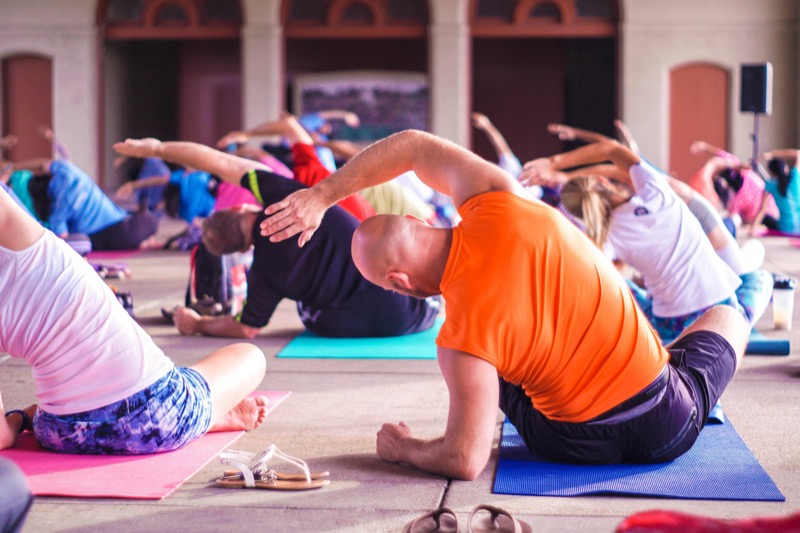
Photo by Anupam Mahapatra on Unsplash
Written by AI & Reviewed by Clinical Psychologist: Yoendry Torres, Psy.D.
Disclaimer: Please note that some blog posts may contain affiliate links, and Sana Network will earn a commission if you purchase through those links at no additional cost to you. We use all of the products listed and recommend them because they are companies or products that I have found helpful and trustworthy. Our website is supported by our users. The content provided on this website is for informational purposes only and is not intended as medical advice. Please consult your own healthcare provider for advice tailored to your individual health needs.