
How Social Media Affects Mental Health and What You Can Do
In our hyper-connected world, social media platforms like Facebook, Instagram, TikTok, and Twitter have become essential parts of our lives. These platforms offer opportunities for communication, entertainment, and self-expression. However, […]
In our hyper-connected world, social media platforms like Facebook, Instagram, TikTok, and Twitter have become essential parts of our lives. These platforms offer opportunities for communication, entertainment, and self-expression. However, as much as social media connects us, it also has a profound impact on mental health, both positively and negatively.
Understanding these effects and learning how to manage social media usage can empower us to build healthier relationships with these platforms and foster mental well-being.
The Double-Edged Sword of Social Media
Social media, much like any tool, can be a source of empowerment or harm depending on how it is used. While it provides an unparalleled ability to connect and share, it also comes with risks that can affect our emotional and psychological health.
The Positive Aspects of Social Media
1. Fostering Connection and Community
Social media bridges physical and emotional distances, enabling people to stay connected regardless of location. Online communities provide support and camaraderie for individuals with shared interests or challenges.
2. Providing Access to Information
Social platforms serve as hubs for knowledge, offering everything from breaking news to mental health resources. This easy access to information can be empowering and educational.
3. Encouraging Self-Expression
Whether through posting creative content, sharing personal milestones, or advocating for causes, social media gives users a platform to express themselves in unique ways.
4. Driving Advocacy and Change
Social media has become a powerful tool for activism, helping mobilize people and spread awareness about social issues, humanitarian causes, and global challenges.
The Negative Implications of Social Media
1. Comparison Culture and Low Self-Esteem
Constant exposure to idealized portrayals of others’ lives can lead to feelings of inadequacy. Users may compare their realities to others’ curated images, impacting self-esteem and body image.
2. Addictive Design
Social platforms are engineered to capture attention through notifications and endless scrolling. This can lead to overuse, disrupting daily routines and mental well-being.
3. Increased Anxiety and Depression
Negative interactions, cyberbullying, and exposure to distressing content can heighten anxiety and lead to depressive symptoms. The pressure to maintain an online presence only adds to these stressors.
4. Sleep Disruption
Using screens late at night can disrupt sleep due to blue light exposure and the engaging nature of social media. Sleep deprivation is directly linked to poor mental health outcomes.
5. Loneliness and Isolation
Paradoxically, excessive time on social media can reduce meaningful face-to-face interactions, leading to feelings of isolation despite being digitally connected.
Strategies for a Healthier Social Media Experience
Cultivating a balanced relationship with social media requires mindfulness and intentional habits. Here are practical steps to make social media work for you:
1. Set Boundaries and Limits
- Time Management: Use apps to track and limit your social media use. Set specific times for browsing, such as during breaks or designated “social media hours.”
- Scheduled Breaks: Incorporate “digital detox” days where you disconnect from all platforms. Observe how this impacts your mood and mental clarity.
2. Be Intentional About Content
- Curate Your Feed: Follow accounts that uplift, inspire, or educate you. Unfollow or mute content that causes stress or negativity.
- Engage Thoughtfully: Avoid engaging with inflammatory content or negative discussions. Focus on meaningful interactions.
3. Prioritize Real-Life Relationships
- Face-to-Face Interaction: Make time for in-person relationships by meeting friends, joining local clubs, or participating in community events.
- Balance Offline Activities: Spend time engaging in hobbies, reading, or exploring nature to counterbalance digital interactions.
4. Practice Self-Care
- Mindfulness Practices: Incorporate meditation, journaling, or other mindfulness activities to manage stress caused by social media.
- Healthy Habits: Ensure adequate sleep, regular exercise, and nutritious eating to support overall mental health.
5. Know When to Seek Help
If social media use significantly affects your mental health, consider reaching out to a mental health professional. Therapy can provide tools to manage anxiety, depression, or other issues exacerbated by social media.
Key Takeaways
- Social media is a double-edged sword, capable of enhancing or harming mental health.
- Recognizing the signs of negative impact is the first step toward a healthier relationship with social media.
- Setting boundaries, curating your feed, and prioritizing offline relationships are essential strategies for mental well-being.
- Self-care and mindfulness are vital tools in managing social media’s potential stressors.
By adopting a mindful approach, social media can become a valuable tool that enriches your life rather than detracting from it.
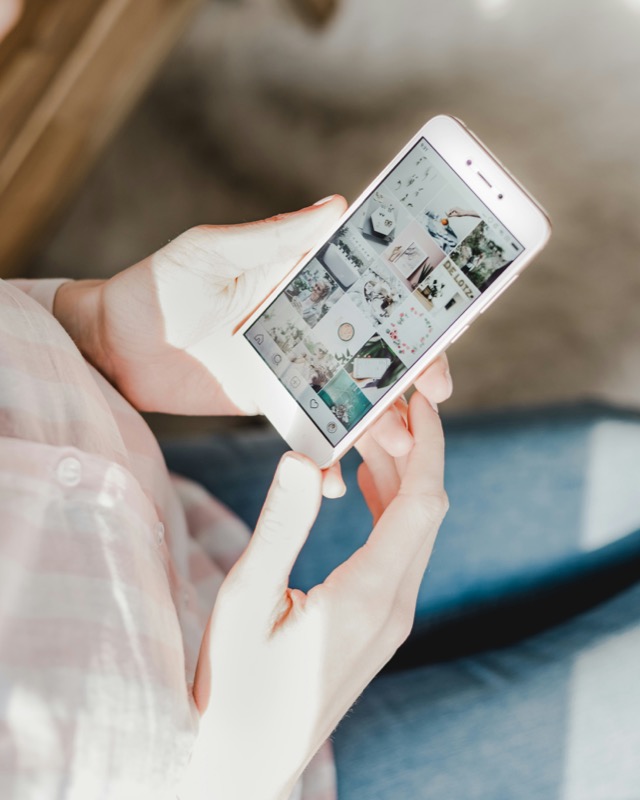
Photo by Georgia de Lotz on Unsplash
Written by AI & Reviewed by Clinical Psychologist: Yoendry Torres, Psy.D.
Disclaimer: Please note that some blog posts may contain affiliate links, and Sana Network will earn a commission if you purchase through those links at no additional cost to you. We use all of the products listed and recommend them because they are companies or products that I have found helpful and trustworthy. Our website is supported by our users. The content provided on this website is for informational purposes only and is not intended as medical advice. Please consult your own healthcare provider for advice tailored to your individual health needs.