
Leveraging Technology to Improve Patient Outcomes in Collaborative Care
In today’s rapidly evolving healthcare landscape, technology has become a transformative force, revolutionizing how clinicians deliver care. For both medical and mental health professionals, embracing technology facilitates collaborative care models, […]
In today’s rapidly evolving healthcare landscape, technology has become a transformative force, revolutionizing how clinicians deliver care. For both medical and mental health professionals, embracing technology facilitates collaborative care models, fostering teamwork and improving patient outcomes. This article explores how technology enhances collaborative care, outlines its practical applications, and provides actionable steps for clinicians ready to integrate these tools into their practice.
Collaborative Care: An Overview
Collaborative care is a patient-centered approach that brings together primary care providers, specialists, and mental health professionals to deliver comprehensive treatment. This model emphasizes teamwork, communication, and coordinated care planning to address the multifaceted needs of patients, particularly those with chronic conditions or mental health disorders.
Benefits of Collaborative Care:
- Holistic Treatment: Addresses the physical, mental, and social determinants of health.
- Enhanced Communication: Streamlines the exchange of patient information among care providers.
- Improved Outcomes: Results in better management of chronic conditions and mental health challenges.
Technology in Collaborative Care
Technology plays a critical role in enhancing collaborative care. Below are key technological solutions and their impact on patient outcomes:
1. Electronic Health Records (EHRs)
EHRs are the cornerstone of modern collaborative care, providing a centralized repository for patient data.
Key Benefits:
- Streamlined Information Sharing: Ensures real-time access to patient records for all team members, reducing duplication and improving communication.
- Informed Decision-Making: Consolidates a patient’s medical history, lab results, and treatment plans to support accurate diagnoses and effective care.
Example Tools: Epic, Cerner, Practice Fusion.
2. Telemedicine and Virtual Care Platforms
Telemedicine enhances accessibility and connectivity, especially for patients in underserved areas.
Key Benefits:
- Improved Access to Care: Enables patients to consult providers remotely, overcoming geographical and mobility barriers.
- Facilitates Provider Collaboration: Allows real-time communication between clinicians, enabling them to develop coordinated treatment plans.
Example Tools: Doxy.me, Zoom Healthcare.
3. Mobile Health Apps
Mobile apps empower patients by supporting self-management and engagement.
Key Benefits:
- Patient Engagement: Tools for symptom tracking, medication reminders, and health education improve adherence to care plans.
- Data for Clinicians: Apps provide real-time feedback on patient behavior and health trends, enabling timely interventions.
Example Tools: MyFitnessPal, Medisafe.
4. Clinical Decision Support Systems (CDSS)
CDSS enhance clinical accuracy by providing data-driven recommendations.
Key Benefits:
- Diagnostic Support: Algorithms analyze patient data to suggest potential diagnoses or treatments.
- Personalized Care Plans: Systems tailor recommendations to individual patient profiles for optimal outcomes.
Example Tools: UpToDate, IBM Watson Health.
5. AI and Machine Learning
AI applications are redefining healthcare through predictive analytics and automation.
Key Benefits:
- Predictive Analytics: Identifies at-risk patients, enabling early intervention.
- Task Automation: Frees clinicians from administrative burdens, allowing more time for direct patient care.
Example Tools: Google Health AI, PathAI.
6. Wearable Technology
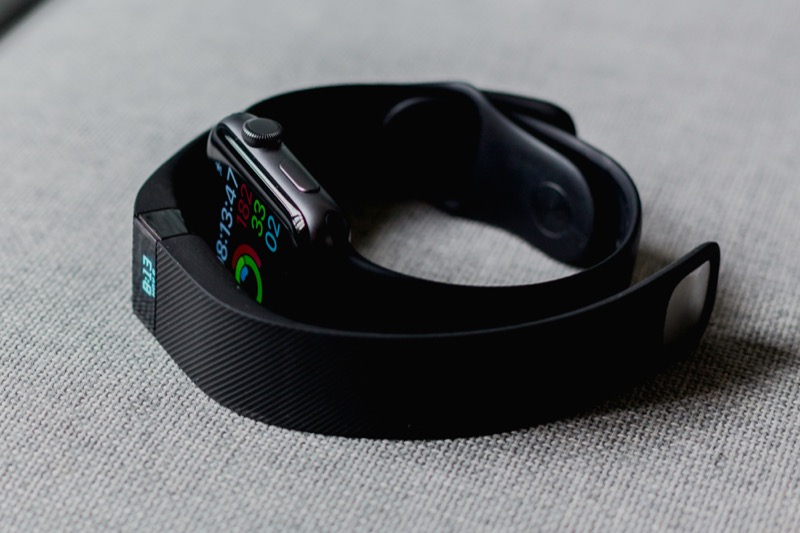
Wearables like smartwatches and fitness trackers provide continuous health monitoring.
Key Benefits:
- Real-Time Monitoring: Tracks vital signs and activity levels, offering actionable insights.
- Promotes Healthy Habits: Encourages patients to adopt healthier lifestyles through constant feedback.
Example Tools: Fitbit, Apple Watch.
7. Interoperability Standards and Data Integration
Interoperability ensures seamless data sharing between different healthcare systems.
Key Benefits:
- Seamless Data Exchange: Enables consistent communication across platforms through standards like HL7 and FHIR.
- Comprehensive Insights: Aggregates data for in-depth analysis and improved care planning.
8. Patient Portals
Patient portals empower patients by granting them access to their health information.
Key Benefits:
- Transparency and Engagement: Allows patients to view lab results, treatment plans, and medical histories.
- Enhanced Communication: Facilitates direct messaging with providers for questions, appointments, and prescription refills.
Example Tools: MyChart, Healow.
Challenges and Considerations
While technology offers immense potential, its implementation comes with challenges:
- Cost and Accessibility: Implementing advanced systems can be expensive, especially for smaller practices.
- Data Security: Protecting patient information from breaches is critical.
- Staff Training: Ensuring all team members are proficient in using new technologies requires ongoing education.
- Integration Issues: Lack of compatibility between systems can hinder seamless data sharing.
Actionable Steps for Clinicians
1. Assess Your Practice’s Needs
Identify gaps in care delivery and prioritize technologies that align with your goals.
2. Choose Scalable Solutions
Select tools that can grow with your practice, such as cloud-based platforms and interoperable systems.
3. Invest in Training
Provide regular training sessions for staff to maximize the potential of new technologies.
4. Focus on Patient-Centric Tools
Prioritize solutions that enhance patient engagement and self-management, such as mobile apps and portals.
5. Monitor and Adapt
Regularly evaluate the effectiveness of implemented technologies and adjust based on feedback and outcomes.
Conclusion
Technology has become indispensable in collaborative care, transforming how clinicians deliver integrated, patient-centered services. From EHRs and telemedicine to AI and wearables, these tools offer opportunities to improve efficiency, communication, and patient outcomes. By understanding the applications and challenges of technology, clinicians can make informed choices that drive their practice forward, ensuring they meet the evolving needs of their patients.
Photo by Andres Urena on Unsplash
Written by AI & Reviewed by Clinical Psychologist: Yoendry Torres, Psy.D.
Disclaimer: Please note that some blog posts may contain affiliate links, and Sana Network will earn a commission if you purchase through those links at no additional cost to you. We use all of the products listed and recommend them because they are companies or products that I have found helpful and trustworthy. Our website is supported by our users. The content provided on this website is for informational purposes only and is not intended as medical advice. Please consult your own healthcare provider for advice tailored to your individual health needs.