
Top Wellness Trends to Watch for in 2026
As we approach 2026, the wellness industry continues to evolve, integrating cutting-edge technology, sustainability, and holistic approaches to cater to the diverse needs of modern consumers. Here’s an in-depth look […]
As we approach 2026, the wellness industry continues to evolve, integrating cutting-edge technology, sustainability, and holistic approaches to cater to the diverse needs of modern consumers. Here’s an in-depth look at the trends set to redefine how we pursue health and well-being in the coming year.
1. Personalized Nutrition
Gone are the days of generic diet plans. Personalized nutrition is at the forefront, leveraging advancements in technology and biology to craft individualized dietary recommendations.
Key Drivers:
- Genetic Insights: Affordable genetic testing now provides detailed insights into how individuals metabolize specific nutrients.
- Gut Microbiome Analysis: Understanding gut health remains pivotal, with microbiome testing services offering precise dietary adjustments.
Tip: Explore services that integrate genetic and microbiome data to create a diet tailored to your body’s unique needs.
2. Remote Wellness Consultations
The pandemic accelerated the adoption of telehealth, and by 2026, remote wellness consultations have become standard practice.
Key Benefits:
- Wider Access: Individuals in rural or underserved areas can now connect with top wellness professionals.
- Real-Time Health Data: Wearables can share health metrics directly with practitioners, enhancing diagnosis and treatment plans.
Tip: Invest in wearables that sync seamlessly with telehealth platforms for more comprehensive virtual consultations.
3. Mental Health Tech
Mental health continues to take center stage, with technology offering innovative tools to enhance emotional well-being.
Emerging Trends:
- AI-Powered Therapy: Virtual therapists provide cost-effective and accessible mental health support.
- Enhanced Apps: Sophisticated mental health apps now use AI to personalize mindfulness exercises and cognitive-behavioral interventions.
Tip: Choose apps that offer tailored solutions based on your specific mental health goals and track progress over time.
4. Functional Fitness
Functional fitness focuses on practical movements that enhance everyday life, from lifting groceries to improving posture.
What’s New:
- Wearable Resistance Gear: Lightweight gear adds resistance to daily movements and exercises, boosting strength without bulky equipment.
- Holistic Workouts: Programs combine strength, mobility, and flexibility training in a single session.
Tip: Incorporate functional fitness exercises into your routine to improve both performance and injury prevention.
5. Digital Detox Programs
As screen time reaches new highs, structured digital detox programs are becoming essential for mental clarity and emotional health.
Why It’s Important:
- Burnout Prevention: Regular breaks from screens can significantly reduce stress.
- Improved Sleep Quality: Limiting blue light exposure aids in better sleep cycles.
Tip: Dedicate time each week for digital-free activities, such as hiking or meditative journaling.
6. Sustainable Wellness
Environmental sustainability and personal wellness are merging, with eco-conscious choices becoming integral to health routines.
What to Expect:
- Sustainable Packaging: Wellness brands are prioritizing eco-friendly materials.
- Plant-Based Everything: Plant-forward diets and products dominate due to their environmental and health benefits.
Tip: Opt for brands that transparently share their sustainability efforts and make plant-based meals a regular feature of your diet.
7. Sleep Optimization Technology
Sleep technology is advancing rapidly, offering solutions that enhance rest and recovery.
Innovations to Watch:
- Smart Mattresses: Customizable beds that adjust temperature and firmness based on sleep stages.
- Advanced Trackers: Devices that monitor REM cycles, heart rate variability, and breathing patterns.
Tip: Use sleep tracking data to identify disruptions and adjust habits, such as reducing caffeine intake or changing bedtime routines.
8. Integrative Medicine
Integrative medicine combines the best of traditional and complementary therapies, offering a comprehensive approach to wellness.
Key Trends:
- Multidisciplinary Care: Healthcare practitioners collaborate across specialties for holistic treatment plans.
- Natural Therapies: Acupuncture, herbal remedies, and mindfulness are integrated with conventional medicine.
Tip: Work with practitioners who value integrative approaches and explore treatments that align with your specific health goals.
9. Workplace Wellness Programs
Workplaces are redefining wellness with programs that go beyond gym memberships to address employees’ holistic health.
Evolving Features:
- Mental Health Support: On-demand counseling and stress management workshops are becoming standard.
- Flexible Schedules: Companies are offering hybrid work models to prioritize work-life balance.
Tip: Advocate for comprehensive wellness programs at work, including access to mental health resources and flexible working options.
10. Immersive Wellness Retreats
Travel and wellness are converging, with retreats offering immersive experiences that blend adventure and self-care.
What’s Popular:
- Digital Detox Getaways: Retreats focus on disconnecting from technology to reconnect with nature.
- Themed Retreats: Programs tailored to yoga, mindfulness, or fitness enthusiasts.
Tip: Plan a wellness retreat that aligns with your interests and allows for deep rejuvenation and learning.
Final Thoughts
The wellness trends of 2026 highlight a shift toward personalization, sustainability, and the integration of technology with holistic practices. By staying informed and adopting these trends, you can craft a lifestyle that supports your long-term health and happiness.
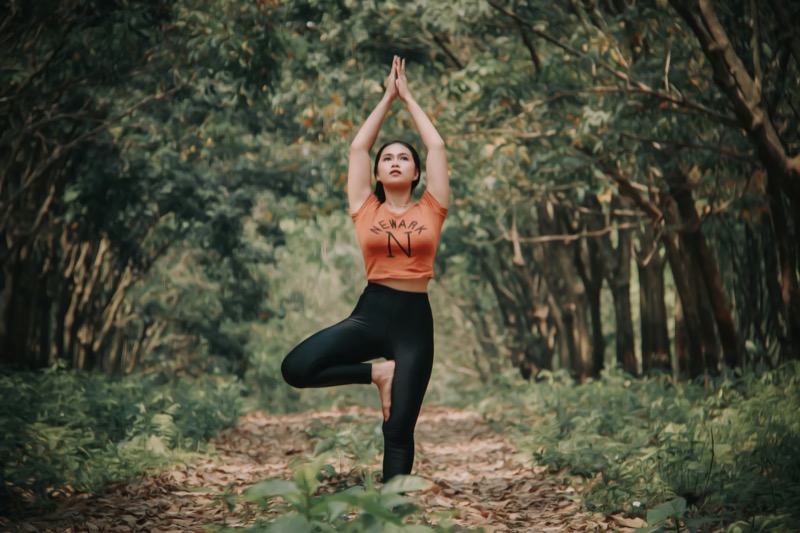
Photo by Yayan Sopian on Unsplash
Written by AI & Reviewed by Clinical Psychologist: Yoendry Torres, Psy.D.
Disclaimer: Some blog posts may contain affiliate links, earning Sana Network a commission at no additional cost to you. These recommendations reflect our honest opinions about products or services we find helpful and trustworthy. This content is informational and not medical advice; consult a healthcare provider for personalized guidance.