
Using Data to Drive Growth in Your Private Practice
In the modern healthcare landscape, data has become a powerful tool for private practice clinicians. Leveraging data-driven insights can enhance patient care, streamline operations, and drive growth in your practice. […]
In the modern healthcare landscape, data has become a powerful tool for private practice clinicians. Leveraging data-driven insights can enhance patient care, streamline operations, and drive growth in your practice. Whether you’re starting fresh or scaling an established practice, utilizing data strategically helps you make informed decisions, optimize resources, and achieve your goals.
The Power of Data in Private Practice
Data in healthcare encompasses much more than patient records. It includes operational, financial, and marketing insights, all of which can be used to improve various aspects of your practice.
Benefits of Data Utilization
- Enhanced Patient Outcomes: Data helps identify trends and create personalized care plans, improving treatment success rates.
- Operational Efficiency: Streamlined scheduling, reduced no-shows, and optimized workflows save time and resources.
- Increased Patient Satisfaction: Feedback-driven changes foster loyalty and positive word-of-mouth referrals.
- Targeted Marketing: Demographic and behavior data guide marketing efforts to attract and retain the right patients.
Building a Data-Driven Practice
To integrate data effectively, follow a structured approach:
1. Define Your Objectives
Determine what you aim to achieve. Common goals include:
- Enhancing patient care.
- Improving operational efficiency.
- Boosting profitability.
- Refining marketing strategies.
Having clear goals ensures your data collection and analysis efforts remain focused.
2. Collect Relevant Data
Gather data from reliable sources, including:
- Clinical Data: Patient medical histories, treatment outcomes, and diagnostic results.
- Operational Data: Appointment schedules, wait times, and staffing patterns.
- Financial Data: Revenue streams, expenses, and billing efficiency.
- Marketing Data: Website analytics, social media engagement, and ad campaign performance.
- Patient Feedback: Satisfaction surveys, reviews, and referral data.
Use tools like Electronic Health Records (EHRs), practice management software, and customer relationship management (CRM) systems to collect and manage data effectively.
3. Analyze the Data
Transform raw data into actionable insights using analytics tools and techniques. Key methods include:
- Descriptive Analytics: Understanding what happened (e.g., tracking no-show rates).
- Predictive Analytics: Anticipating future trends (e.g., identifying at-risk patients).
- Prescriptive Analytics: Recommending actions (e.g., optimizing staff schedules).
4. Implement Data-Driven Changes
Apply insights to refine operations, enhance services, and target marketing efforts. Examples include:
- Introducing automated appointment reminders to reduce no-shows.
- Adjusting staffing levels based on peak demand times.
- Launching targeted advertising campaigns for underserved patient segments.
5. Monitor and Adjust
Regularly review the outcomes of your changes. Use continuous monitoring to fine-tune strategies and adapt to evolving needs.
Key Areas to Apply Data in Your Practice
1. Improving Patient Care
Data allows you to provide more personalized and effective care:
- Custom Treatment Plans: Use patient histories and trends to tailor treatments.
- Predictive Health Models: Identify potential health risks and intervene early.
- Enhanced Engagement: Track patient preferences and behaviors to foster involvement in their care.
2. Boosting Operational Efficiency
Operational data reduces inefficiencies and enhances the patient experience:
- Streamline Scheduling: Analyze trends to minimize wait times and overbooking.
- Reduce No-Shows: Implement data-driven strategies like automated reminders or flexible rescheduling.
- Optimize Resources: Align staffing and equipment use with peak demand periods.
3. Marketing and Patient Acquisition
Data-driven marketing ensures your efforts are targeted and effective:
- Audience Segmentation: Identify patient demographics and behaviors to craft personalized campaigns.
- Measure Marketing ROI: Track the success of campaigns to focus on high-performing strategies.
- SEO and Social Media: Analyze engagement metrics to refine your online presence.
4. Financial Management
Data simplifies financial oversight and helps you maximize profitability:
- Track Revenue Streams: Identify which services generate the most income.
- Control Expenses: Monitor costs to find areas for reduction or optimization.
- Forecast Cash Flow: Use historical data to predict and prepare for future financial needs.
Tools for Data-Driven Success
- Electronic Health Records (EHRs): Manage patient data and analyze trends.
- Practice Management Software: Streamline scheduling, billing, and patient communications.
- CRM Systems: Track and analyze patient interactions and preferences.
- Data Analytics Platforms: Leverage tools like Tableau or Microsoft Power BI for advanced data visualization and insights.
Actionable Steps to Leverage Data
- Set Clear Goals: Define what you want to achieve with data-driven strategies.
- Invest in Tools: Adopt technology that facilitates data collection, analysis, and reporting.
- Train Staff: Educate your team on the importance of data and how to use it effectively.
- Act on Insights: Use data to make informed decisions and continuously improve.
- Evaluate and Adapt: Regularly review data to ensure strategies are yielding the desired results.
Final Thoughts
Data is more than numbers—it’s a roadmap to success for your private practice. By leveraging data strategically, you can improve patient care, streamline operations, and achieve sustainable growth. The key is to remain focused, adaptable, and committed to using insights to drive positive change.
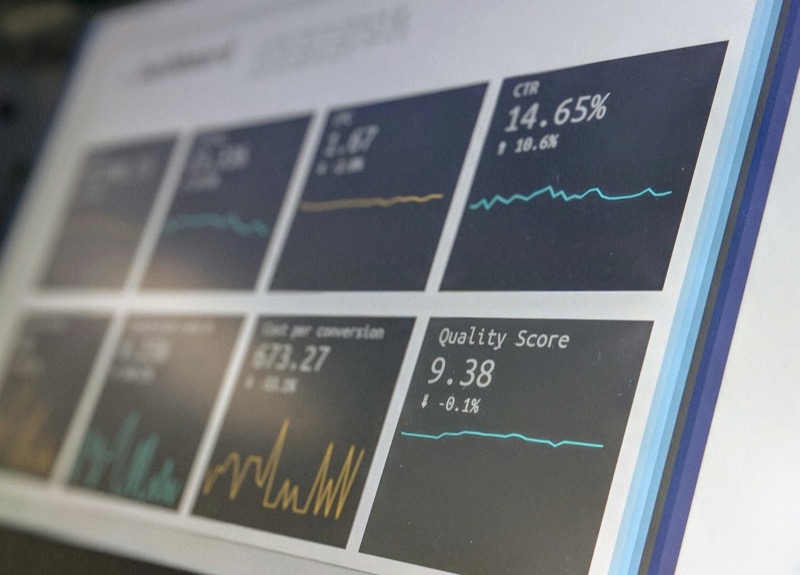
Photo by Stephen Dawson on Unsplash
Written by AI & Reviewed by Clinical Psychologist and Head Coach: Yoendry Torres, Psy.D.
Disclaimer: Some blog posts may contain affiliate links, and Sana Network will earn a commission if you purchase through those links at no additional cost to you. We recommend products and services that we trust and have found helpful. Thank you for supporting our website!