
Using Shared Treatment Plans in Integrated Practices
The landscape of healthcare is undergoing a transformation, with integrated practices at the forefront of patient care innovation. These practices combine medical and mental healthcare providers to address the full […]
The landscape of healthcare is undergoing a transformation, with integrated practices at the forefront of patient care innovation. These practices combine medical and mental healthcare providers to address the full spectrum of patient needs. A key feature of integrated care is the shared treatment plan—a collaborative tool that aligns healthcare teams around unified care goals. This article explores the value of shared treatment plans, their benefits, challenges, and practical steps for successful implementation in integrated practices.
Understanding Integrated Practices
Integrated practices emphasize a holistic approach to healthcare, fostering collaboration among multidisciplinary teams to improve outcomes, enhance patient satisfaction, and streamline care delivery. These practices are built on the understanding that physical and mental health are interconnected, requiring a comprehensive care model.
The Role of Shared Treatment Plans
A shared treatment plan is a strategic document collaboratively developed by an interdisciplinary team of healthcare professionals. It outlines:
- Care goals
- Interventions
- Roles and responsibilities of team members
- Timelines and milestones
This plan is dynamic and evolves as the patient’s needs change. It serves as the cornerstone of integrated care by:
- Enhancing Communication: Ensures all team members are informed and aligned.
- Coordinating Care: Avoids duplicated efforts or conflicting treatments.
- Focusing on Patient-Centered Care: Addresses both medical and mental health needs concurrently.
- Improving Efficiency: Clearly delineates roles, reducing redundancies and delays.
Benefits of Shared Treatment Plans
When implemented effectively, shared treatment plans offer numerous advantages:
1. Improved Quality of Care
By addressing all aspects of a patient’s health, shared treatment plans ensure comprehensive care and better health outcomes.
2. Increased Patient Satisfaction
Coordinated efforts and transparent communication empower patients, fostering trust and satisfaction.
3. Reduced Healthcare Costs
Eliminating redundant tests and procedures, while improving outcomes, leads to cost savings for both patients and providers.
4. Minimized Care Fragmentation
Patients experience seamless care as providers collaborate and share information, reducing the need for patients to coordinate services independently.
Challenges in Implementing Shared Treatment Plans
Despite their advantages, implementing shared treatment plans can be challenging:
1. Cultural Differences Among Providers
Different disciplines have unique training and perspectives, which may lead to misunderstandings.
2. Time Constraints
Developing and maintaining shared treatment plans requires significant time, especially in high-volume practices.
3. Data Privacy and Security Concerns
Balancing accessibility with confidentiality is critical to protect patient data.
4. Technological Barriers
Not all practices have the technology needed for effective information sharing.
5. Role Confusion
Ambiguities about responsibilities can hinder collaboration and cause inefficiencies.
Strategies to Overcome Challenges
Addressing these obstacles requires thoughtful strategies:
1. Provider Education and Training
Regular interdisciplinary training helps build a team-oriented culture and clarifies each provider’s role.
2. Optimize Technology
Invest in or enhance Electronic Health Record (EHR) systems to facilitate shared treatment planning and real-time updates.
3. Establish Communication Protocols
Regular team meetings, structured updates, and standardized templates improve information flow.
4. Actively Involve Patients
Including patients in discussions about their treatment plan ensures it reflects their goals, values, and preferences.
Steps for Implementing Shared Treatment Plans
Step 1: Assemble the Right Team
- Include relevant professionals, such as physicians, mental health providers, social workers, and nurses.
- Ensure team members understand their roles and responsibilities.
Step 2: Conduct Comprehensive Assessments
- Perform detailed evaluations of the patient’s medical history, mental health status, and lifestyle factors.
- Use standardized tools and assessments to gather consistent data.
Step 3: Define Care Goals
- Collaboratively establish measurable, patient-centered goals that address both immediate and long-term needs.
Step 4: Develop the Treatment Plan
- Outline specific interventions, timelines, and responsibilities.
- Use EHR systems to create and store the plan, making it accessible to all team members.
Step 5: Foster Ongoing Collaboration
- Schedule regular check-ins to discuss patient progress and update the treatment plan as needed.
- Use collaborative care platforms or secure messaging systems for seamless communication.
Step 6: Evaluate and Adjust
- Monitor the effectiveness of the plan using outcome metrics.
- Modify the plan based on patient feedback and evolving health needs.
Conclusion
Shared treatment plans are an essential component of integrated practices, promoting collaboration, efficiency, and patient-centered care. Despite challenges like role confusion and technological barriers, strategic implementation of these plans can significantly enhance care quality and patient satisfaction. By prioritizing communication, leveraging technology, and actively involving patients, clinicians can harness the full potential of shared treatment plans to deliver holistic, coordinated care.
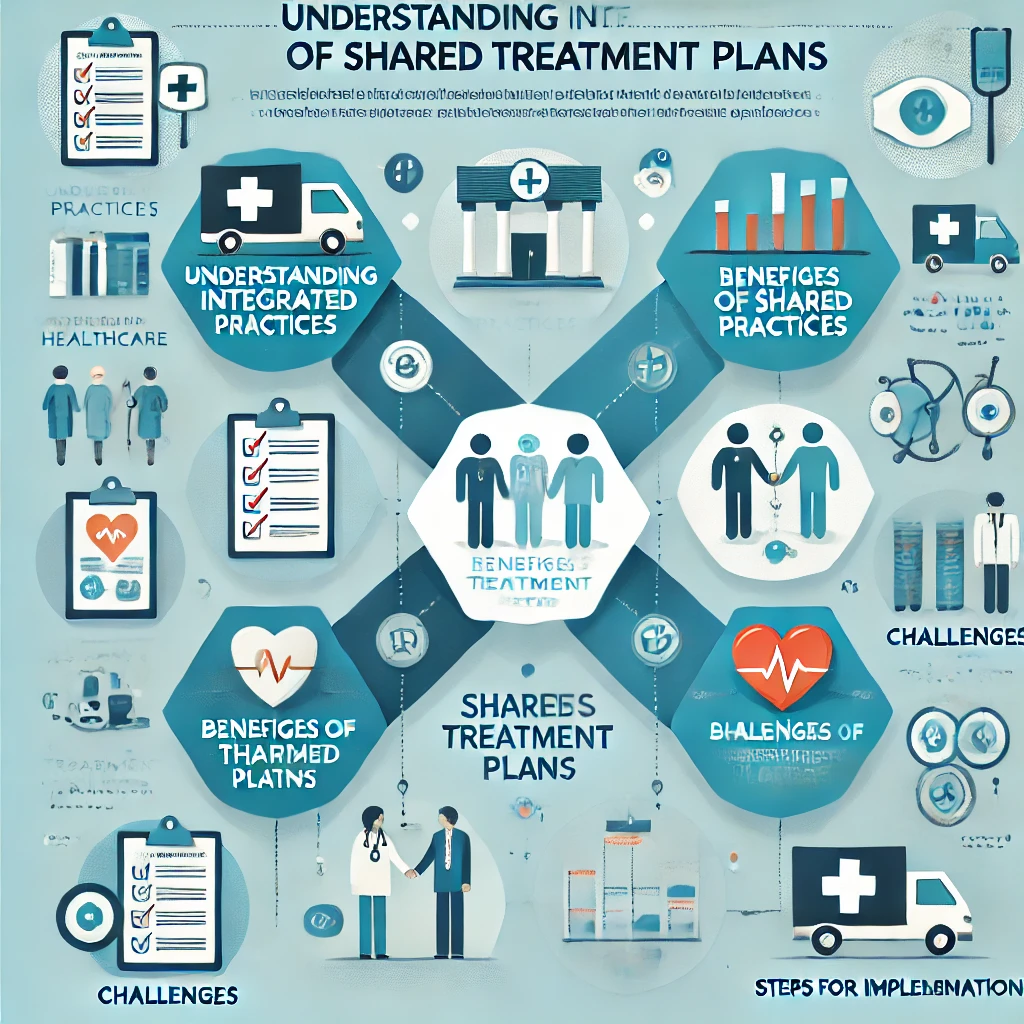
Image by AI
Written by AI & Reviewed by Clinical Psychologist: Yoendry Torres, Psy.D.
Disclaimer: Please note that some blog posts may contain affiliate links, and Sana Network will earn a commission if you purchase through those links at no additional cost to you. We use all of the products listed and recommend them because they are companies or products that I have found helpful and trustworthy. Our website is supported by our users. The content provided on this website is for informational purposes only and is not intended as medical advice. Please consult your own healthcare provider for advice tailored to your individual health needs.