
Managing Anxiety During the Holidays
The holiday season, while celebrated for its joy and togetherness, can also bring significant stress and anxiety. Festive obligations, financial pressures, and heightened expectations often challenge our emotional balance. Whether […]
The holiday season, while celebrated for its joy and togetherness, can also bring significant stress and anxiety. Festive obligations, financial pressures, and heightened expectations often challenge our emotional balance. Whether you’re a healthcare provider supporting patients or managing your own mental health, strategies to navigate holiday-induced anxiety are invaluable. This guide offers practical tools to help you maintain inner calm and enjoy the season with mindfulness and ease.
Understanding Holiday-Related Anxiety
Causes and Triggers
- Financial Stress
- Expenses for gifts, travel, and events can create financial strain.
- Family Dynamics
- Family reunions can trigger unresolved conflicts or feelings of inadequacy.
- Overcommitment
- A packed schedule often leads to burnout and diminished self-care.
- Unrealistic Expectations
- Pressure to deliver the “perfect” holiday can heighten stress.
- Grief and Loneliness
- The absence of loved ones may amplify feelings of sadness and isolation.
Signs and Symptoms
- Persistent worry or tension
- Irritability and mood swings
- Sleep disturbances
- Physical symptoms such as headaches or digestive discomfort
Recognizing these signs early helps address anxiety before it escalates.
Effective Strategies for Managing Holiday Anxiety
1. Mindful Planning
- Set Realistic Goals
Focus on creating meaningful experiences rather than achieving perfection. - Budget Thoughtfully
Create a realistic budget, prioritizing meaningful yet affordable gestures. - Time Management
Prioritize events and tasks that align with your values and say no to unnecessary commitments.
2. Practice Stress-Reduction Techniques
- Mindfulness Exercises
Start the day with a brief meditation or deep-breathing exercise to ground yourself. - Physical Activity
Engage in activities like yoga, walking, or dancing to release tension and boost endorphins. - Creative Outlets
Activities like journaling, painting, or crafting can be therapeutic and calming.
3. Maintain Healthy Habits
- Balanced Nutrition
Limit sugary treats and focus on whole, nutrient-rich foods to maintain energy and stabilize mood. - Prioritize Sleep
Develop a consistent bedtime routine and avoid overstimulation from screens or caffeine late at night. - Hydration and Moderation
Limit alcohol and caffeine, as they can exacerbate anxiety and disrupt sleep patterns.
4. Strengthen Social Support
- Connect with Loved Ones
Openly share feelings with friends or family members who can provide support and encouragement. - Seek Professional Guidance
If anxiety becomes overwhelming, consult a therapist or counselor for personalized strategies. - Volunteer or Give Back
Helping others fosters connection and gratitude, which can alleviate feelings of stress or isolation.
5. Reinvent Holiday Traditions
- Simplify Traditions
Embrace low-stress, meaningful traditions that resonate with you and your family. - Incorporate Gratitude
Take a moment daily to reflect on things you are thankful for to shift your focus toward positivity.
Managing Specific Scenarios
Family Gatherings
- Set Boundaries: Politely redirect uncomfortable conversations or opt for neutral topics.
- Create a Game Plan: Schedule breaks during gatherings to recharge if needed.
Travel Stress
- Plan for Delays: Allow extra time for contingencies, and pack comfort items to reduce anxiety.
- Stay Flexible: Accept that plans may change and adjust expectations to alleviate pressure.
Workplace Stress
- Delegate Tasks: Share responsibilities to avoid feeling overwhelmed.
- Schedule Downtime: Carve out moments for rest amidst professional demands.
Cultivating Long-Term Resilience
- Daily Gratitude Practice
Reflecting on positive moments cultivates a resilient and optimistic mindset. - Year-Round Self-Care
Make mental health a priority throughout the year, not just during the holidays. - Build a Support Network
Cultivate relationships that provide encouragement and understanding during stressful periods.
Final Thoughts
Managing holiday anxiety is not about achieving a stress-free season but finding balance and focusing on what truly matters. By planning mindfully, nurturing self-care, and embracing flexibility, you can navigate holiday challenges with grace and find joy in the moments that matter most.
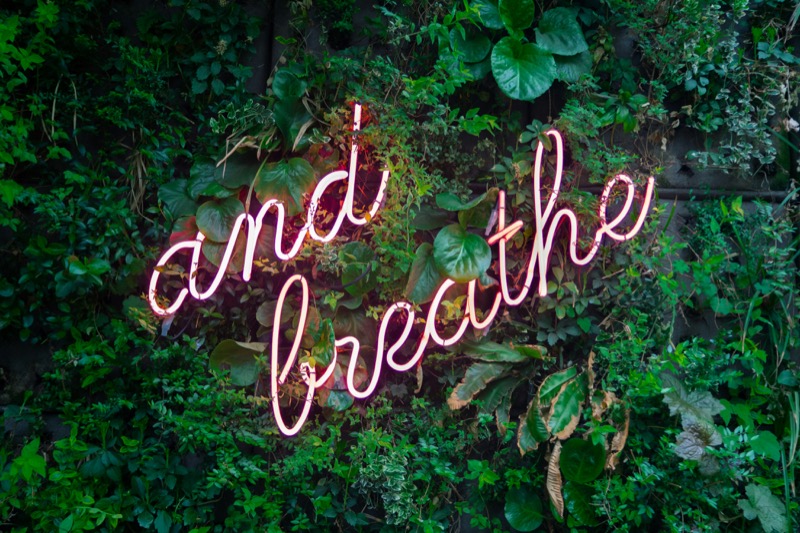
Photo by Max van den Oetelaar on Unsplash
Written by AI & Reviewed by Clinical Psychologist: Yoendry Torres, Psy.D.
Disclaimer: Some blog posts may contain affiliate links, earning Sana Network a commission at no additional cost to you. These recommendations reflect our honest opinions about products or services we find helpful and trustworthy. This content is informational and not medical advice; consult a healthcare provider for personalized guidance.