
The School Anxiety Epidemic: Why Avoidance Isn’t Working, and What’s Happening in Classrooms Now
If you’ve scrolled through parenting subreddits or teacher forums lately, you’ve probably noticed a massive, collective sigh echoing through the internet. Teachers are venting about students missing every single test […]
If you’ve scrolled through parenting subreddits or teacher forums lately, you’ve probably noticed a massive, collective sigh echoing through the internet. Teachers are venting about students missing every single test day due to “panic.” Parents are opening up about the exhausting, daily morning battle just to get their crying elementary schooler into the car.
It feels like we are living in an era where youth anxiety isn’t just an occasional bout of butterflies before a spelling bee, it’s a defining feature of modern childhood.
As a health psychologist (and your resident friend who happens to have a doctorate), I’m here to tell you: you aren’t imagining it, and you certainly aren’t alone. But there is a fascinating, messy collision happening right now between official policy changes, school mandates, and what’s actually happening at the kitchen table. Let’s break down what the latest data says and how we can actually help our kids build resilience instead of just survival tactics.
The Breakdown: What the New Data and Laws Actually Say
For a long time, mental health in schools was treated a bit like a fire drill, we only talked about it when there was an active crisis. But recently, the script has flipped toward prevention and screening.
According to a major study published by the RAND Corporation, nearly one-third of all U.S. public schools now mandate mental health screenings for students to flag anxiety and depression early. This aligns with the United States Preventive Services Task Force (USPSTF) guidelines, which recommend routine anxiety screening for all children aged 8 to 18.+1
Here is the “fine print” of what this looks like in practice:
- The Good News: Schools are actively trying to catch internalizers, the quiet kids who sit in the back, internalizing their worries, whose anxiety looks like a stomachache rather than a behavioral outburst.
- The Reality Check: While roughly 30% of schools are screening, the infrastructure to treat these kids is severely lacking. The data shows a massive bottleneck. An astonishing 72% of U.S. counties do not have a single child psychiatrist, leaving school counselors overwhelmed and parents stuck on six-month waitlists.
- The Digital Shift: Because of this bottleneck, how we get care has fundamentally changed. Telehealth now accounts for roughly 40% of all youth mental health visits. Virtual care has become the bridge keeping families afloat when local clinics are entirely booked up.
The Human Connection: The Traps of “Accommodating” Anxiety
This brings us to where the official news meets the community pulse. If you look at discussions among educators, there is a growing, controversial complaint: Is anxiety being used as a get-out-of-jail-free card?
Teachers report students who are completely exempted from giving presentations, missing every exam, or allowed to leave the room the moment they feel uncomfortable. While these accommodations are born out of deep empathy, from a psychological standpoint, we are accidentally falling into the Avoidance Trap.
Think of anxiety like a stray cat. If a stray cat shows up on your porch meowing (representing a scary trigger, like a math test), and you give it a bowl of milk (letting the child stay home), the cat goes away happy. But guess what? Tomorrow, that cat is coming back bigger, louder, and expecting more milk.
When we allow children to completely avoid the things that scare them, their brains receive a powerful message: “You were right. That situation was dangerous, and you couldn’t handle it.” Short-term relief creates long-term fragility.
This takes a toll on the entire ecosystem:
- Socially & Mentally: Kids miss out on critical social-emotional learning and peer connections, reinforcing their isolation.
- Physically: Chronic anxiety manifests as real, physical pain, headaches, fatigue, and GI distress that puzzle pediatricians.
- Financially: Parents are burning through PTO to stay home with school-avoidant kids, while facing the daunting financial strain of out-of-network mental health care.
Actionable Advice: Helping Your Child Face the Brave New World
So, how do we support our kids without feeding the anxiety monster? We have to shift our goal from eliminating discomfort to building coping mechanisms. Here are 4 practical ways to start today:
- Practice Scaffolded Exposure (Not Total Avoidance) If your child is terrified of giving a five-minute speech to the class, don’t request a permanent exemption. Instead, scaffold it. Ask the teacher if your child can record the speech at home first, then present it to just the teacher after school, then to a group of three friends, before finally facing the class. We want to stretch their comfort zone, not snap it.
- Decode the “Physical Cover-Up” Anxiety loves to wear a trench coat and pretend to be a medical emergency. If your child has a pattern of getting a mysterious stomachache every Sunday night or Monday morning, gently call it what it is. Try saying: “Your tummy really hurts, and I believe you. Sometimes when our brains are worried about school, our brains send a stress signal right to our bellies. Let’s do some deep breathing together to show your stomach it’s safe.”
- Partner with the School, Don’t Polarize It’s easy to view the school administration or rigid curriculum as the enemy, but teachers are burning out, too. Approach meetings with a collaborative mindset. Instead of asking, “Can my child be excused from this?” try asking, “What coping tools can we put in place so my child can stay in the classroom when they feel overwhelmed?”
- Pivot to Telehealth to Skip the Lines If your child’s school screening flags a concern, don’t despair over a six-month local waitlist. Embrace the digital shift. Look for evidence-based virtual care; for example, practitioners trained in Cognitive Behavioral Therapy (CBT), which focuses on changing thought patterns and gradual exposure or clinicians trained in Mindfulness who help your child be more present and aware of their thoughts and feelings.
Finding Your Wellness Village
Navigating the shifting landscapes of school protocols, mental health shortages, and the emotional roller coaster of raising a child can feel incredibly isolating. You do not have to figure this out by trial and error in parent forums.
If your child is struggling with school anxiety, or if the stress of managing it all has left your own mental well-being in the negatives, it might be time to bring in a professional. I highly encourage you to check out the Sana Network directory. It’s a wonderful resource to connect with vetted therapists, pediatric specialists, and medical providers who can help tailor a compassionate, evidence-based plan for your family’s unique wellness journey.
Take a deep breath, parents. You’re doing a great job, and remember: we aren’t raising kids to live in a bubble; we’re teaching them how to dance in the rain.
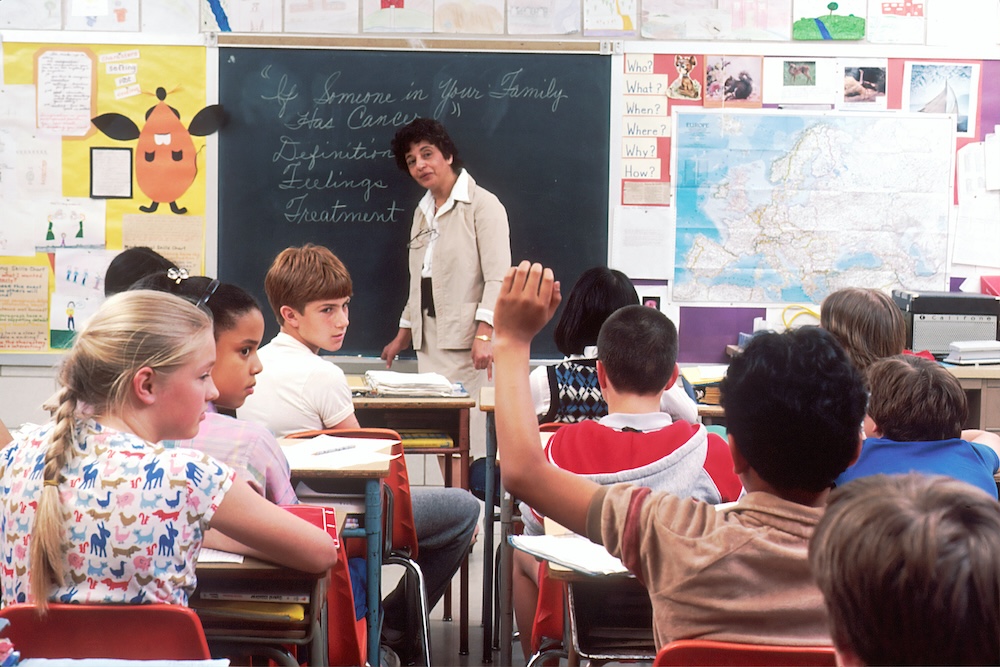
Photo by National Cancer Institute on Unsplash
Written by AI & Reviewed by Clinical Psychologist: Yoendry Torres, Psy.D.
Disclaimer: Some blog posts may contain affiliate links, earning Sana Network a commission at no additional cost to you. These recommendations reflect our honest opinions about products or services we find helpful and trustworthy. This content is informational and not legal nor medical advice; consult a an attorney or healthcare provider for personalized guidance.