
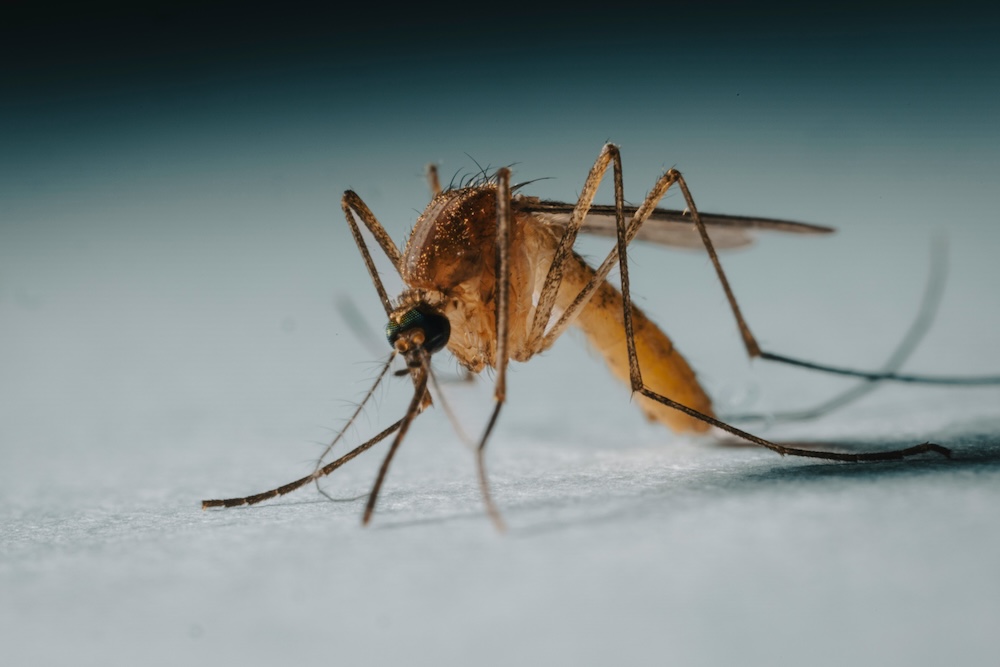
This Isn’t Just “A Bad Mosquito Year,” Arizona Is Having a Record West Nile Season
If you’ve been swatting more bugs on your porch this fall than you remember swatting in years, you’re not imagining it. Scroll through any Southern Arizona neighborhood group and the […]
If you’ve been swatting more bugs on your porch this fall than you remember swatting in years, you’re not imagining it. Scroll through any Southern Arizona neighborhood group and the pattern repeats: someone posts a swarming patio at dusk, and forty people reply with their own bite horror story, repellent that didn’t work, or an illness they couldn’t shake. Most shrug it off as “a wet monsoon” and move on.
Here’s the part that doesn’t usually make it into the group chat. This year isn’t just a nuisance mosquito season. It’s the worst West Nile virus season Arizona has seen in more than two decades, and it’s still going, into October, well past when most of us assume the risk is over.
The Breakdown
West Nile virus is spread by mosquito bites, and most years it barely makes the news. 2026 is different.
- Arizona is leading the entire country in cases. As of mid August, the CDC had logged 76 confirmed human cases statewide, more than any other state, with Maricopa County alone reporting 58 cases and 5 deaths by that point. By late July, Maricopa County’s own data showed cases up more than 62% compared to the same time in 2025.
- Nationally, this season is tracking at roughly five times the historical average. CDC data through the end of June already showed 48 cases across 23 states, compared to a typical end of June count of about 10. Four of those early deaths were all in Arizona.
- It’s not just the Phoenix area. Here in Southern Arizona, Pima County had logged 22 cases by mid September, its highest count since 2021, with officials saying the heavy monsoon rain is directly behind the spike in mosquitoes. Santa Cruz County reported its first case of the season around the same time, and Cochise County confirmed several more cases in early October.
- The fine print most people miss: there’s no treatment and no vaccine. The CDC is blunt about this. Doctors can only treat the symptoms, not the virus itself. About 80% of people who get infected never notice a single symptom. Roughly 20% get a flu-like illness: fever, headache, body aches, fatigue that can hang on for weeks. Less than 1% develop severe, central nervous system illness that can mean hospitalization or worse, and that small slice is exactly why county health departments keep sounding the alarm even though most bites are harmless.
Mosquito season here usually fades with the first cool snap, but standing water from monsoon storms sticks around well after the rain stops, which is why counties are still logging new cases this far into fall.
The Human Connection
It’s easy to treat a mosquito bite as background noise, something you shrug off between errands. But that “it’s probably nothing” instinct is exactly what makes West Nile tricky, psychologically as much as medically. When 4 out of 5 infections cause zero symptoms, your brain has every reason to assume you’re fine, right up until you’re not.
One Pima County woman’s story, reported by local news this fall, captures that gap well. She came down with what felt like a bad flu, pushed through it for days, and ended up spending nine days in the hospital before a spinal tap confirmed West Nile virus had caused meningitis. She spent two more weeks in physical therapy afterward. She’s now the person who keeps bug spray sitting out on her table, because her whole relationship to “just a mosquito bite” changed overnight.
That’s the real toll, not just the illness itself, but the quiet anxiety of not knowing which bite is which. Add in a fall already packed with school schedules, flu season, and the general mental load of family life, and “just push through it” becomes many people’s default. That mindset works fine for 99% of bites and can cost you dearly on the other 1%.
Actionable Advice
You don’t need to live in fear of your own backyard. A few small habits make a real difference:
- Keep treating this as mosquito season through October, not just summer. Southern Arizona’s mosquito risk doesn’t end with the monsoon storms, it often peaks in their aftermath. Don’t let cooler evenings lull you into skipping repellent.
- Dump standing water weekly, everywhere, not just the obvious spots. Pet bowls, plant saucers, gutters, old tires, and kiddie pools are the usual culprits. A tablespoon of water is enough for mosquitoes to breed in.
- Use an EPA registered repellent and dress smart at dusk and dawn. Those are peak biting hours. Long, loose, light colored clothing plus a reliable repellent beats hoping you get lucky.
- Know the symptoms that mean “call the doctor today,” not “wait it out.” A high fever, severe headache, neck stiffness, confusion, or sudden weakness after time spent outdoors is worth a same-day call, especially for anyone over 60 or with an underlying health condition.
- Give yourself permission to take a “probably nothing” symptom seriously. You’re not being dramatic by mentioning a weird flu to your doctor and noting you’ve been bitten a lot lately. That one sentence is often what gets a diagnosis caught early instead of late.
Find Support Locally
Navigating a health scare, whether it’s your own or a family member’s, is a lot easier with the right people around you. If this season has you wanting a second opinion, a family medicine provider who knows the local landscape, or just support managing the low grade anxiety of “wait, was that a regular flu,” Sana Network’s free directory connects Tucson area families with vetted medical providers, therapists, and wellness professionals. Search anytime at sananetwork.com.
The mosquitoes aren’t going anywhere just yet. Your peace of mind can still be in good hands.
Photo by Rapha Wilde on Unsplash
Written by AI & Reviewed by Clinical Psychologist: Yoendry Torres, Psy.D.
Disclaimer: Some blog posts may contain affiliate links, earning Sana Network a commission at no additional cost to you. These recommendations reflect our honest opinions about products or services we find helpful and trustworthy. This content is informational and not legal nor medical advice; consult an attorney or healthcare provider for personalized guidance.